Fortigate 140E mods
I was exposed to Fortinet hardware about 12 years ago while working the help desk at Emeritus. It was replacing our old Cisco ASA 5505’s – as soon as the ASA’s would make their way back to the help desk, we would configure a Fortigate 60D, and send it back to where the ASA came from. We would then wipe the ASA’s (my first introduction to scripting!).
Anyway- the physical appearance of the Fortigate hardware was striking: a stark white exterior, with tightly bound indicators, and a no thrills- right to business interface. It was sublime compared to the ASA’s at the time.
My friend Drew was a young network administrator at Emeritus at the time and told me he ran a Fortinet at home, he told me that you could configure any port (interface) to do anything on these things – I was running DDWRT at the time, and just thought these things were so cool… anyway, back on topic.
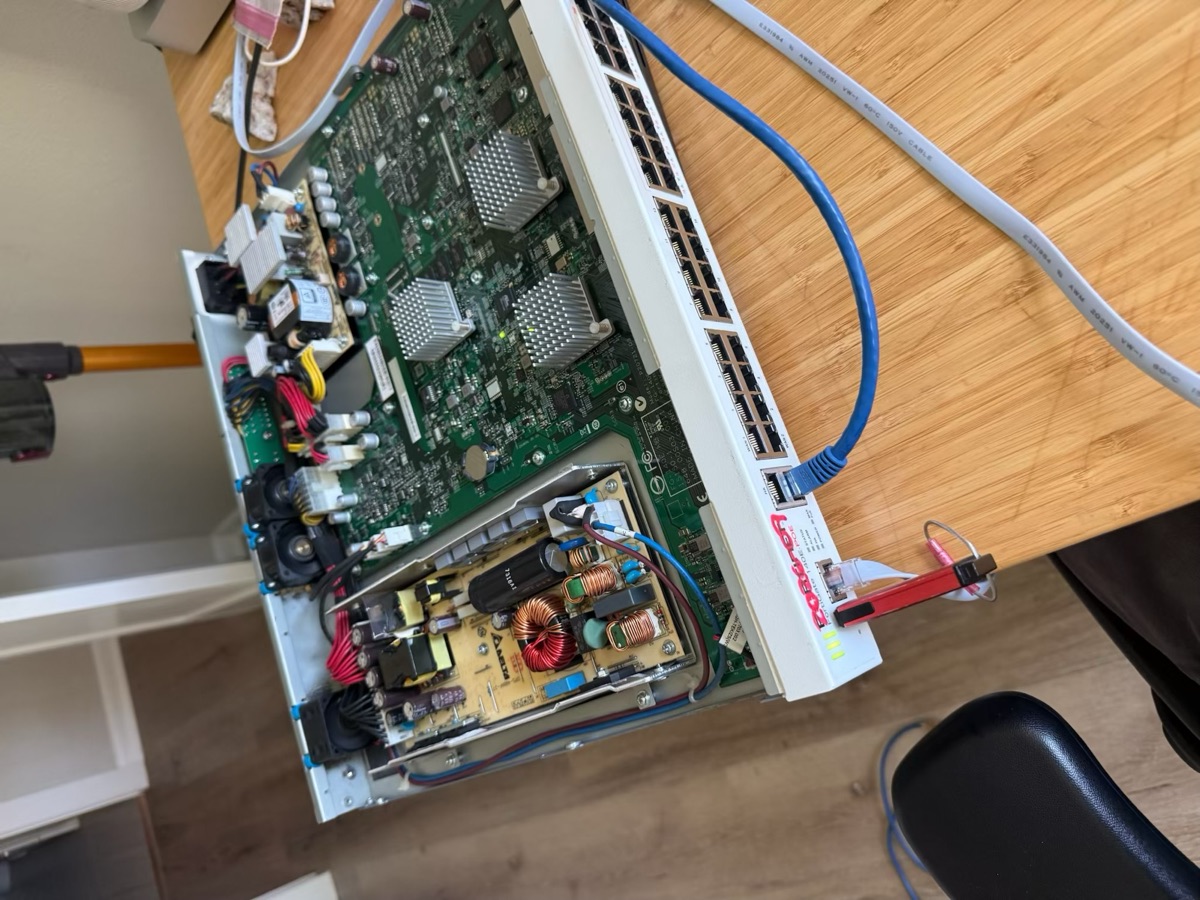
At the house I run a Fortigate 140E-POE, it’s the last generation of POE switch + routing in a single box, and I hope it lasts me for a while. You can get these things cheap on eBay (this one was about $180 USD) – keep in mind that when new these things are several thousands of dollars, and like most enterprise hardware, it becomes useless, obsolete, and fully amortized at around 4 years old.
The problem with enterprise hardware (aside from the learning curve) is the noise, and the wattage. Luckily this thing is pretty light on wattage, but the noise is terrible. It sounds like the scream of an industrial appliance, because that is exactly what it is.
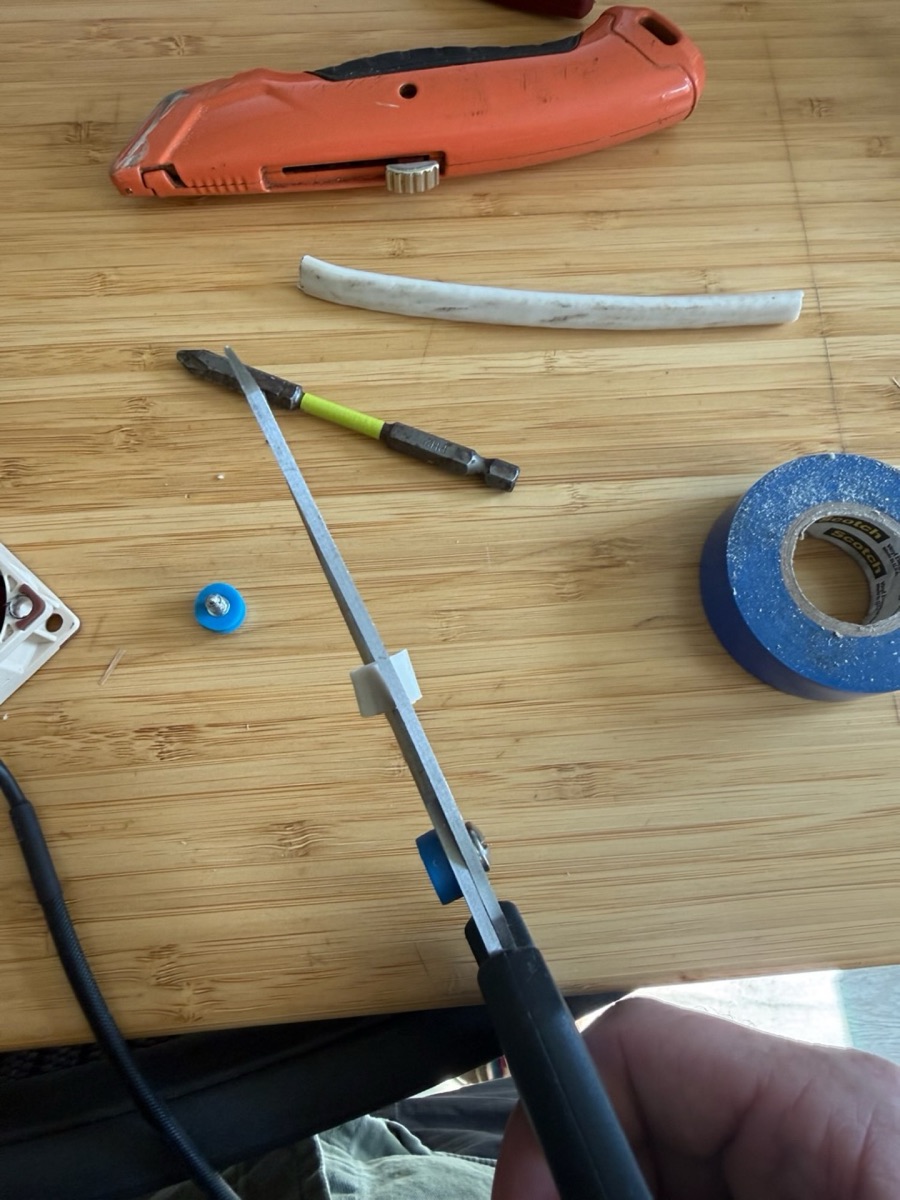
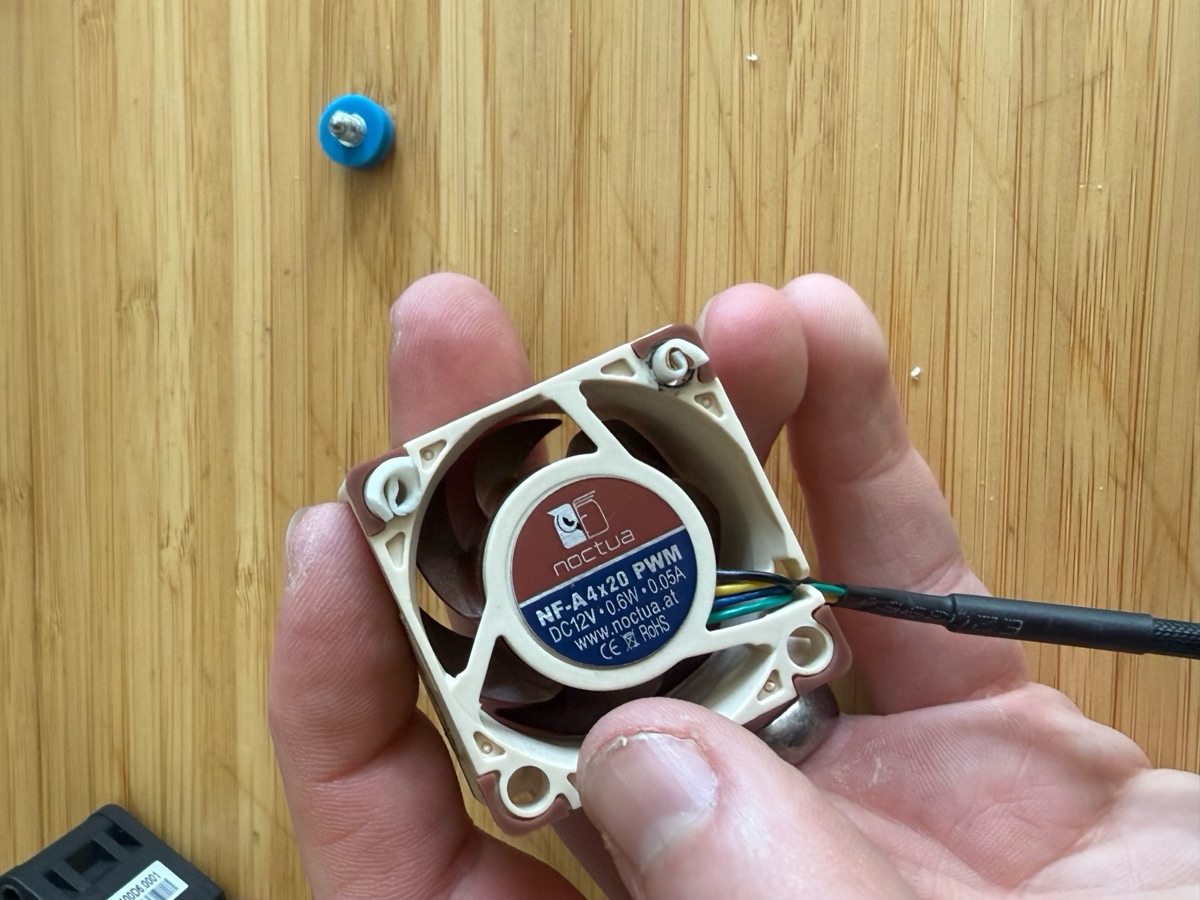
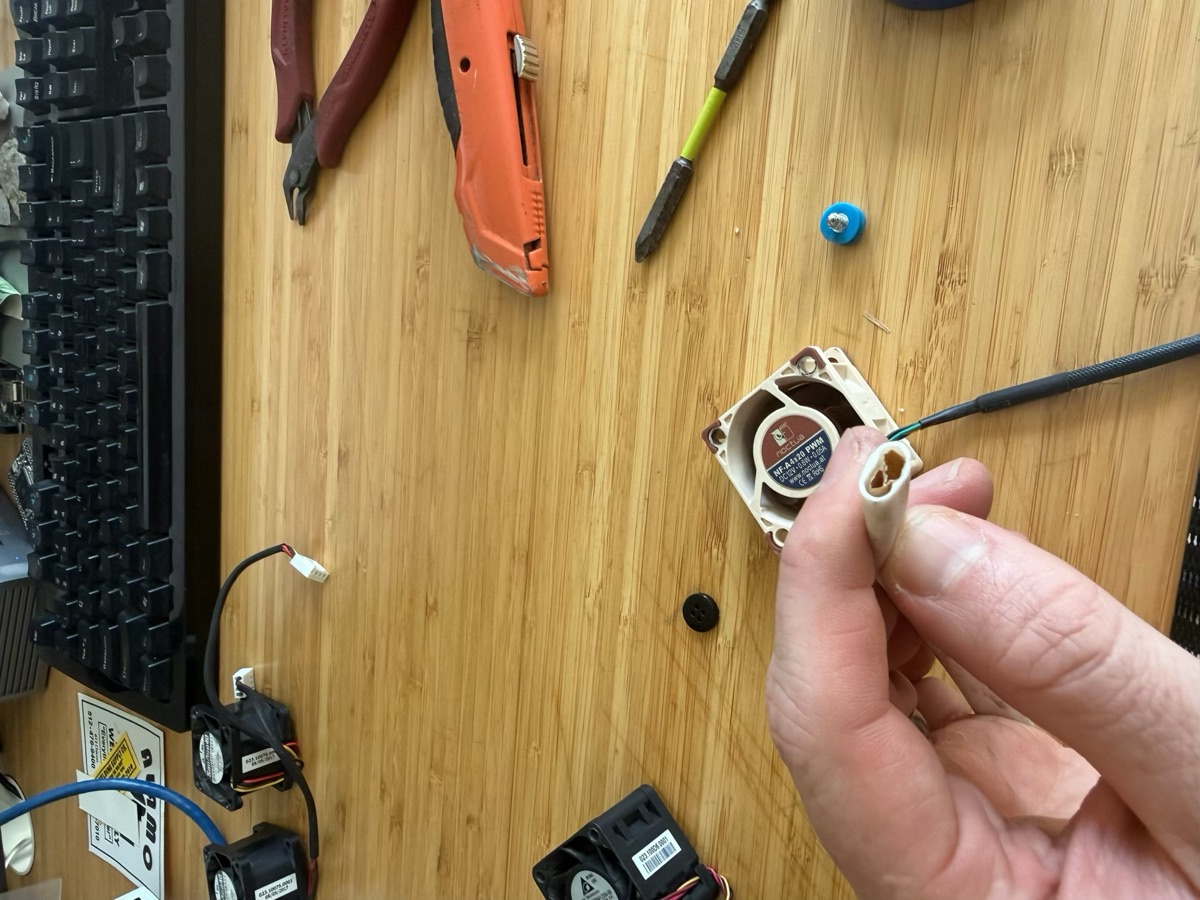
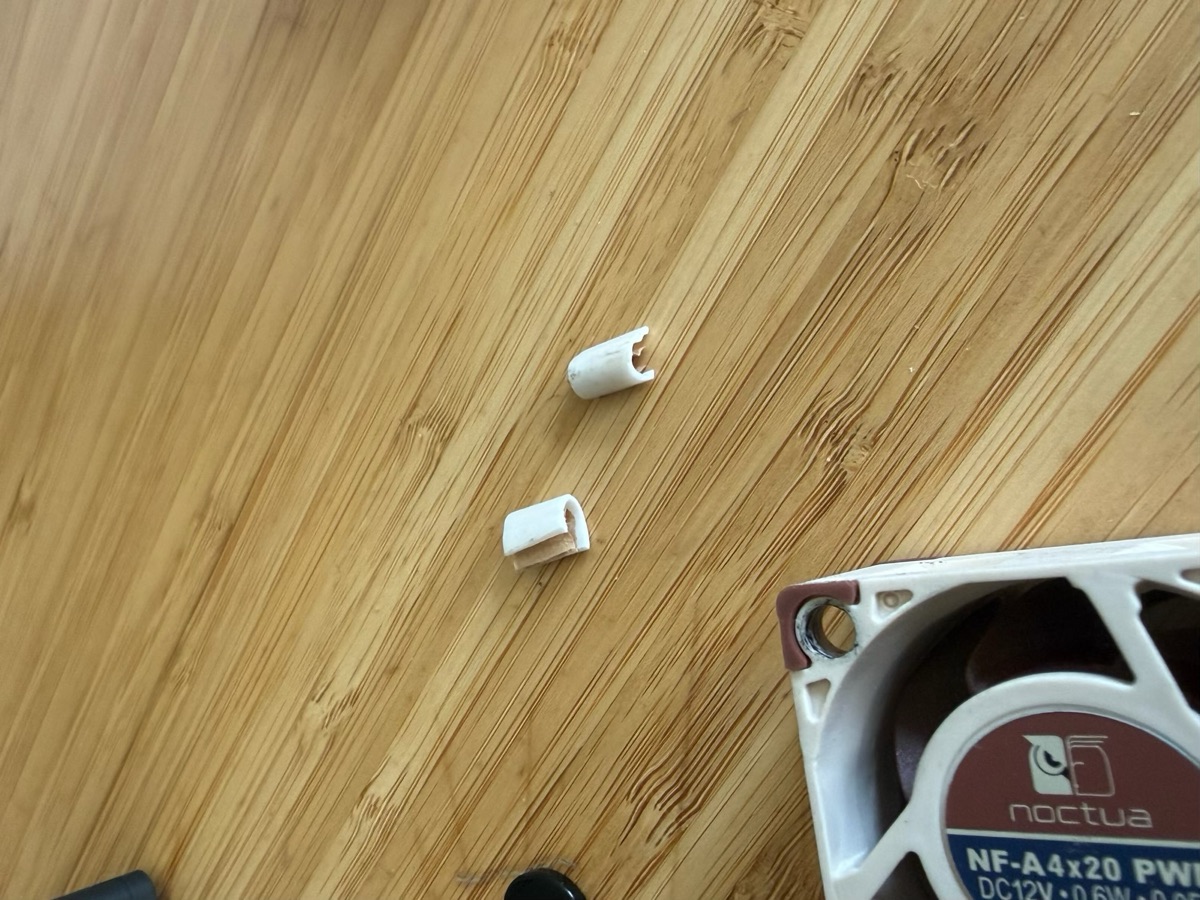
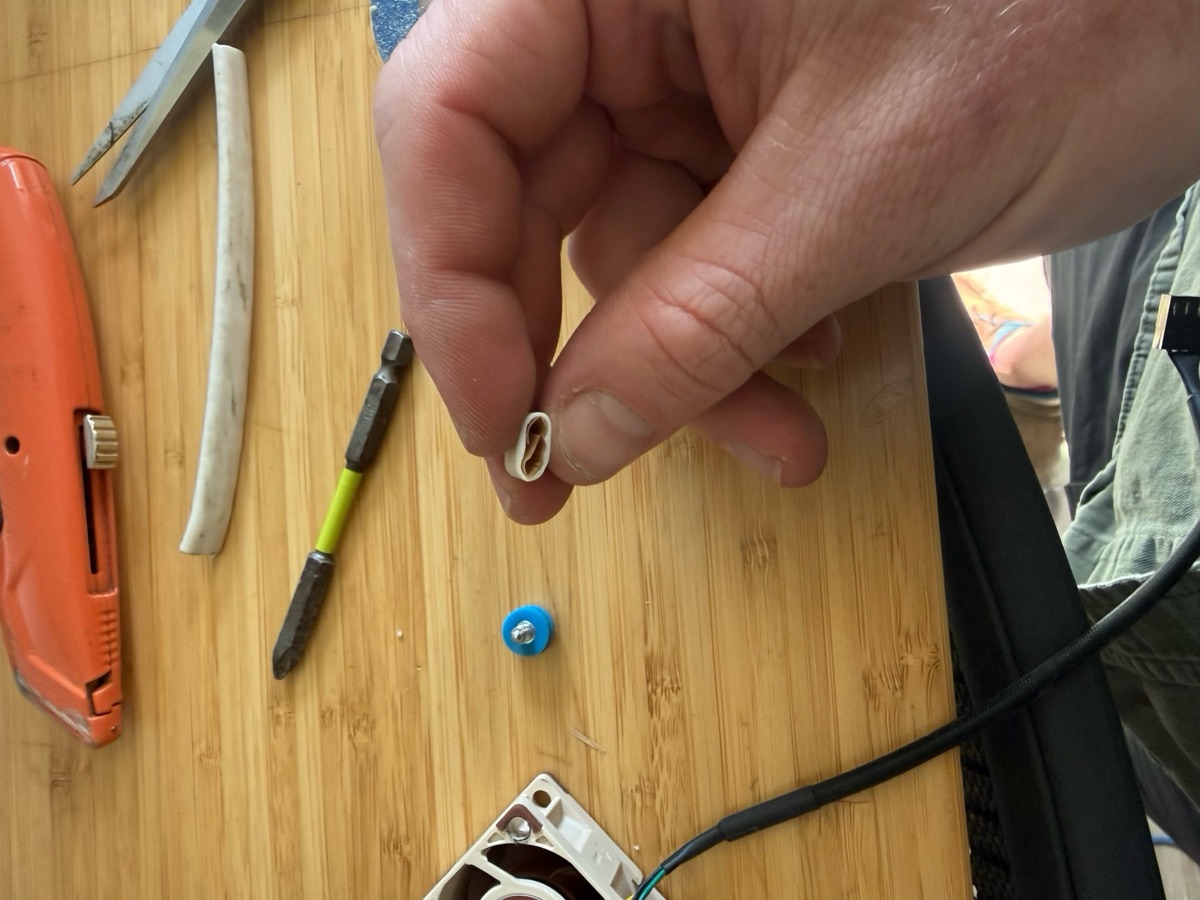
The trick is to use fans that move less air, and are skinnier – I bought a pair of ‘whisper fans’ that are so quiet, that I assumed they were not working when I installed them, and took everything apart, only to be surprised how quiet they were. These fans were for my older hardware (140D), which used a pull through silicon tab type of connector. I used some jacketing from some junk 12/2 to make sure these screws fit nice and snug before mounting. So far, so good!